If you have just moved to the UK for work, study or family, setting up TV involves a few rules that may be new to you. Searches for United Kingdom IPTV often come from newcomers trying to understand how British TV works, what the TV Licence is and which services to choose. This guide explains the essentials.
The information is general and rules and prices change. Always check official sources, such as TV Licensing, for current requirements. For a broader overview for UK viewers, see our IPTV UK guide.
The TV Licence
The UK TV Licence is a legal requirement for certain viewing. In general, you need a licence to:
- Watch or record programmes as they are being shown live on any channel or service, whether by aerial, satellite, cable or internet.
- Download or watch BBC programmes on BBC iPlayer, live or on demand.
You generally do not need a licence if you only watch on-demand content from non-BBC services and never watch live TV. Students, people in shared houses and those with separate tenancy agreements may need their own licence. Check the official TV Licensing website for the current fee and the rules that apply to you.
Ways TV reaches UK homes
| Method | What it is |
|---|---|
| Freeview | Free digital terrestrial TV via an aerial |
| Freesat | Free satellite TV via a dish |
| Broadband TV | TV packages from broadband providers, via a box or app |
| Pay-TV | Satellite or cable subscription packages |
| Streaming apps | Broadcaster apps and subscription streaming services |
Many rented homes already have an aerial socket. Check what is installed before signing up for anything.
Free-to-air channels and apps
UK public service broadcasters offer free-to-air channels and streaming apps with live channels and on-demand programmes. Commercial broadcasters' apps are usually free with advertising, sometimes with paid ad-free tiers. Remember that watching live TV in these apps, and anything on BBC iPlayer, requires a TV Licence.
Broadband TV packages
Broadband providers often bundle TV with internet. Packages may include a set-top box, recordings and add-ons for sport and films. When comparing:
- Check the contract length and price after any introductory offer.
- Check what happens to the price each year.
- Ask whether the box is included.
- Check which channels and apps are included.
Streaming services
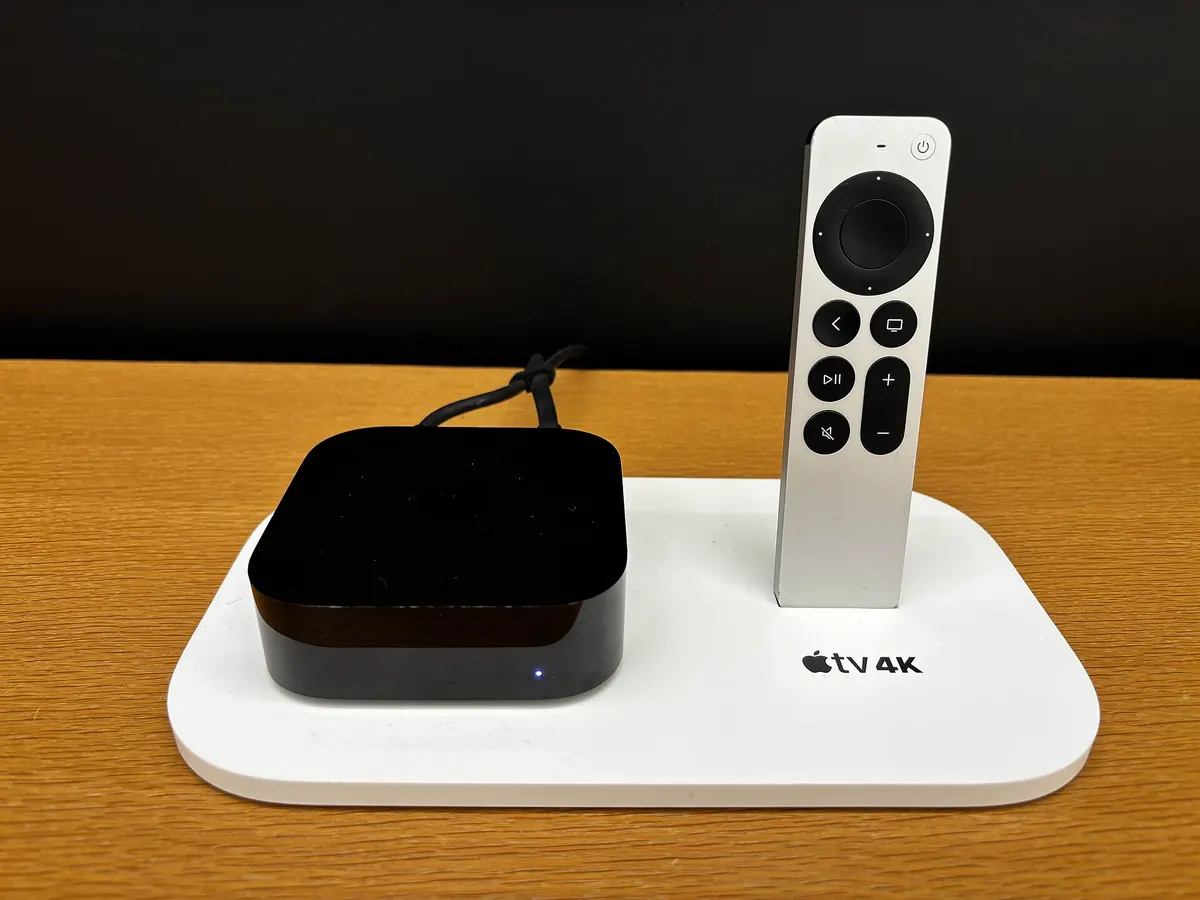
Subscription streaming services for films and series are widely available, usually on monthly plans. Many households combine free broadcaster apps with one or two subscriptions and rotate them.
Sport in the UK
Football, rugby, cricket, tennis and Formula 1 are popular. Rights are split between several broadcasters and streaming services, and some major events are on free-to-air TV. Check which service holds the competitions you want before subscribing. Not every Premier League match is broadcast live in the UK.
TV in your own language
If you want channels from your home country, look for official international apps from your home broadcasters, licensed diaspora packages and streaming services that serve your language. Remember that live viewing through these still generally requires a TV Licence in the UK.
"Dodgy boxes" and unlicensed IPTV
Devices and services promising every channel and all sport for a small fee are widely advertised. They rarely hold the rights, and people selling them in the UK have faced prosecution. Using them can carry legal and security risks. This is general information, not legal advice; see is IPTV legal?.
Students and shared homes
Students in halls and people in shared houses often have questions about the TV Licence. A licence covers a single address, but in shared homes where each person has a separate tenancy agreement, each person may need their own licence to watch live TV or BBC iPlayer in their room. A licence can also cover portable devices such as laptops and phones when they are used away from home, in some circumstances. Rules vary by situation, so check the official TV Licensing guidance before you start watching.
Moving between homes
When you move house in the UK, update your TV Licence address and check whether your broadband provider can transfer your package. Some contracts allow moving without penalties; others charge fees or require a new contract. Return any rented equipment when you cancel.
Setting up at home
- Connect your main TV or streaming device by Ethernet.
- Expect roughly 5–10 Mbit/s per HD stream and 25 Mbit/s or more for 4K.
- Use a streaming device if your TV's apps are slow or missing.
Common mistakes
- Watching live TV without checking the TV Licence rules.
- Signing a long contract without checking annual price rises.
- Overlooking free-to-air channels.
- Buying "fully loaded" boxes.
A worked example
A nurse moving from the Philippines to Leeds rents a flat with an aerial socket. They check the TV Licence rules, buy a licence because they want live news and BBC iPlayer, use free broadcaster apps on a streaming stick and add a licensed international service for Filipino channels.
Checklist
- Check whether you need a TV Licence.
- See what your home already has.
- Start with free-to-air channels and apps.
- Compare broadband TV packages carefully.
- Choose licensed services only.
Key terms
- TV Licence: the UK licence required for live TV and BBC iPlayer.
- Freeview: free digital terrestrial TV.
- Free-to-air: channels available without a subscription.
About Monster IPTV
Monster IPTV does not guarantee UK channels. Ask support before ordering. See how it works and our guide for British expats abroad.
Frequently asked questions
What should newcomers know about United Kingdom IPTV?
Live TV on any service, and BBC iPlayer, generally requires a TV Licence; free-to-air apps and paid services are widely available.
Do I need a TV Licence to watch streaming services?
Only for live TV and BBC iPlayer; on-demand from other services generally does not require one.
What is Freeview?
Free digital terrestrial TV received with an aerial.
Can I watch channels from my home country in the UK?
Yes, through official international apps and licensed diaspora services, subject to TV Licence rules for live viewing.
Are "fully loaded" boxes legal in the UK?
Devices giving access to unlicensed paid content are not, and sellers have been prosecuted.
Summary
United Kingdom IPTV for newcomers starts with the TV Licence rules, then free-to-air channels and apps, broadband packages and streaming services. Check what your home already has and choose licensed services only.