A search for a free popular IPTV playlist usually means one thing: someone hopes to find a single link that unlocks well-known paid channels for nothing. These lists circulate widely on websites, forums and video descriptions. This article explains why they are a poor bet, how to recognise risky lists, and the legitimate free options that actually work.
We do not link to or describe any unauthorised playlist. The aim is to help you make a safe, informed choice.
What these playlists are
A playlist is a text file, usually in M3U format, that lists the addresses of video streams. A "free popular" playlist typically claims to include premium sport, film and entertainment channels that normally require a subscription. Our guide to M3U IPTV explains the file format itself, which is perfectly legitimate.
The problem is not the format. It is what these particular lists point to.
Why free popular playlists are risky
| Risk | What it means for you |
|---|---|
| Legal | Premium channels are licensed; free copies are very unlikely to be authorised |
| Security | Download sites and bundled apps can carry malware or trackers |
| Reliability | Links break constantly as streams are taken down |
| Quality | Overloaded streams buffer, drop out and lag behind live |
| Privacy | Pages promoting lists are often heavy with intrusive ads |
Legal exposure
Popular channels pay large sums for the programmes they show. A list that offers them free has almost certainly not paid for anything. Depending on where you live, distributing or knowingly accessing unauthorised streams can be unlawful. Laws differ by country, and this is not legal advice; our article on IPTV legality explains the general principles.
Security exposure
Lists are often hosted on pages that push "required" apps, browser extensions or downloads. These are a common route for malware and data harvesting. Even the list file can contain links to sites designed to track you.
A poor viewing experience
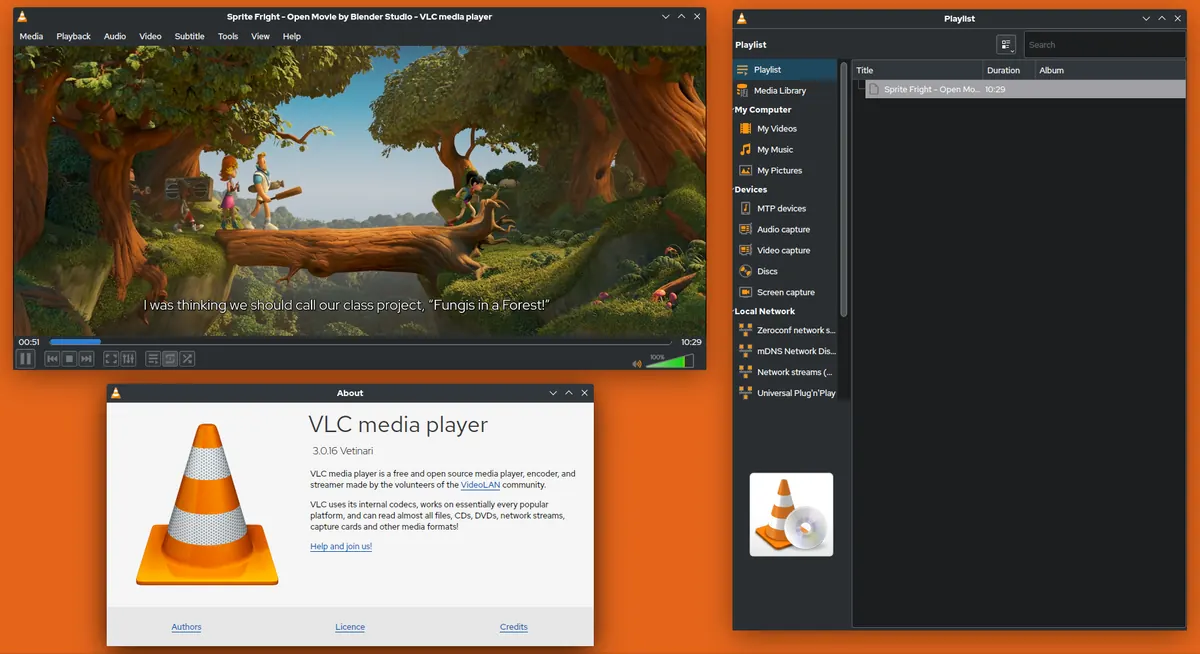
Streams in these lists are frequently overloaded, especially during major live events, which is exactly when people want them most. Channels disappear without warning, and there is nobody to contact when they do.
How to spot a risky playlist
Watch for these warning signs:
- Premium channels for free. The clearest red flag of all.
- Constant "updated today" claims. Lists that need daily replacement are being taken down for a reason.
- Pressure to install something. A playlist should open in any reputable player without extra software.
- No identifiable owner. Legitimate projects explain who maintains them and how to request removals.
- Pop-ups and redirects. Aggressive advertising usually signals a site you should leave.
Legitimate free alternatives
Plenty of TV is genuinely free and legal:
- Free ad-supported channels (FAST) built into many smart TVs and streaming devices.
- Broadcaster apps offering live and catch-up viewing of their own channels, where a TV licence may still apply for live TV in some countries.
- Openly published streams collected by community projects such as iptv-org, which focus on channels broadcasters make publicly available. See our guide to public IPTV playlists.
Our guide to free IPTV describes these options in more detail.
If you want popular channels reliably
Popular sport, film and entertainment channels are available through licensed broadcasters and services in most countries. If you are considering a paid IPTV subscription, use a proper free trial from an identifiable provider instead of an unknown list. A trial lets you test on your own TV and connection without risking malware or a sudden blackout.
Why "popular" lists keep appearing
New lists appear constantly because old ones stop working. Sites that publish them often earn money from advertising and downloads rather than from the streams themselves, which is why they push visitors through pop-ups and installers. For the viewer, that means an endless cycle of searching, installing and losing access, often at the worst possible moment, such as the start of a big match.
What to test if you are comparing paid services instead
If your goal is reliable access to popular channels, compare legitimate options on a few practical points: which channels are included where you live, how many screens can watch at once, which devices are supported, whether there is a trial, and how easy it is to reach support. Writing these down for two or three services usually makes the choice obvious.
Protecting yourself if you already used a list
- Uninstall any apps or extensions you installed from unknown sources.
- Run a security scan on your computer or phone.
- Change passwords if you entered any on a suspicious site.
- Keep your devices and apps updated.
Monster IPTV's approach
Monster IPTV is a paid subscription with a free trial, transparent prices from $15 and setup help over WhatsApp or Telegram. It does not promote free lists of premium channels. See how it works or compare plans and prices.
Frequently asked questions
Is downloading a free popular IPTV playlist illegal?
It depends on your country and the content, but lists offering paid premium channels for free are very unlikely to be authorised, and using them can carry legal risk.
Why do free popular playlists stop working so quickly?
Unauthorised streams are frequently taken down or blocked, and the servers behind them are often overloaded, so links break constantly.
Can a playlist file itself contain a virus?
An M3U file is plain text, but the sites and apps around these lists can carry malware, and the links inside can lead to harmful pages.
Are there free playlists that are legal?
Yes. Some community projects publish playlists of streams that broadcasters make openly available, such as public news or regional channels. They will not include paid premium channels, and their links change often.
What is the safest way to watch free TV online?
Use free ad-supported services, official broadcaster apps and openly published streams from transparent projects.
Bottom line
A free popular IPTV playlist promises a lot and delivers legal, security and reliability problems. Legitimate free TV exists, and if you want premium channels, a proper trial from an identifiable provider is the safer way to test before you pay.